 Verified
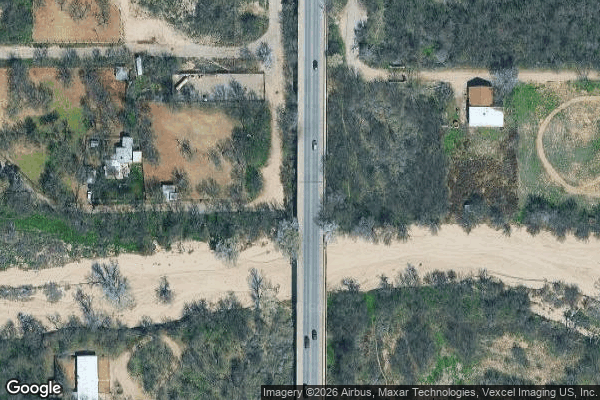
Diamond T Performance Horses
1301 North Houghton Road, Tucson, AZ 85749
Open pasture setting where your horse gets to be a horse. Direct access to wash and several trails straight from property.
Tucson sits in the Sonoran Desert at about 2,400 feet — enough elevation to take the edge off compared to Phoenix, but summers are still hot and humid during monsoon season. The area draws a mix of longtime Arizona equestrians and snowbirds who haul their horses down for the winter, making October through April the busiest time for boarding inquiries. I-10 runs right through, so Tucson is also a natural layover for people hauling between California and Texas or anywhere east.
Boarding in and around Tucson includes full care, pasture board, and overnight stabling. Trail riding is a genuine draw here — the Rincon and Santa Catalina ranges are close, and several facilities have direct or nearby access. Disciplines lean Western: trail, cutting, reining, and roping are well-represented. The facility profiles below are intended to help you get a sense of the boarding market in the Tucson area — each one is a summary, so click through to the full detail page for photos, pricing, and to reach out directly.
Tucson sits in the Sonoran Desert at about 2,400 feet — enough elevation to take the edge off compared to Phoenix, but summers are still hot and humid during monsoon season. The area draws a mix of longtime Arizona equestrians and snowbirds who haul their horses down for the winter, making October through April the busiest time for boarding inquiries. I-10 runs right through, so Tucson is also a natural layover for people hauling between California and Texas or anywhere east.
Boarding in and around Tucson includes full care, pasture board, and overnight stabling. Trail riding is a genuine draw here — the Rincon and Santa Catalina ranges are close, and several facilities have direct or nearby access. Disciplines lean Western: trail, cutting, reining, and roping are well-represented. The facility profiles below are intended to help you get a sense of the boarding market in the Tucson area — each one is a summary, so click through to the full detail page for photos, pricing, and to reach out directly.
Verified1301 North Houghton Road, Tucson, AZ 85749
Open pasture setting where your horse gets to be a horse. Direct access to wash and several trails straight from property.
 Verified
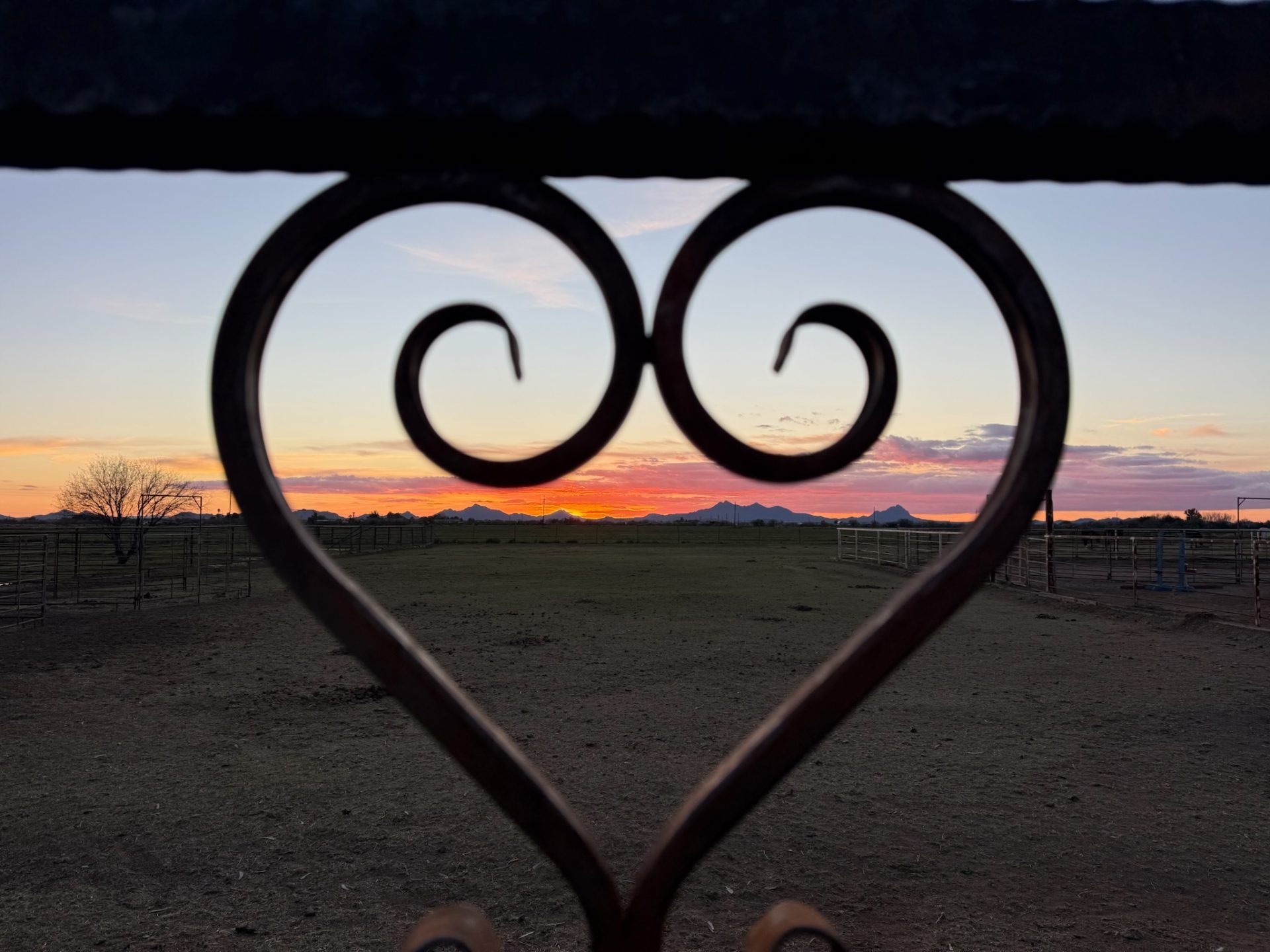
12640 W Twin Peaks Rd, Tucson, AZ 85743
Located on the border of Tucson and Marana, Arizona, ForEver After All Ranch LLC is a private, family-owned and operated horse boarding facility built on lov...
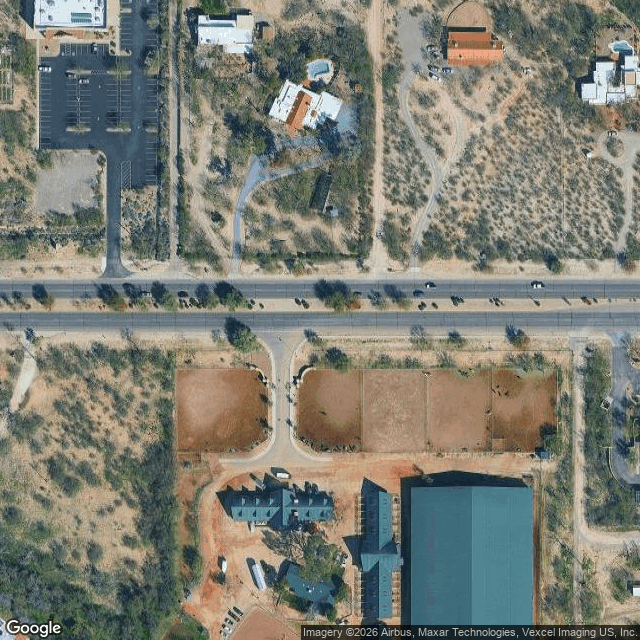
8526 E Tanque Verde Road, Tucson, AZ 85749
Bandalero Ranch is an award-winning equine sports facility located at 8526 E. Tanque Verde Road in Tucson, Arizona, near the fairgrounds. The ranch specializ...
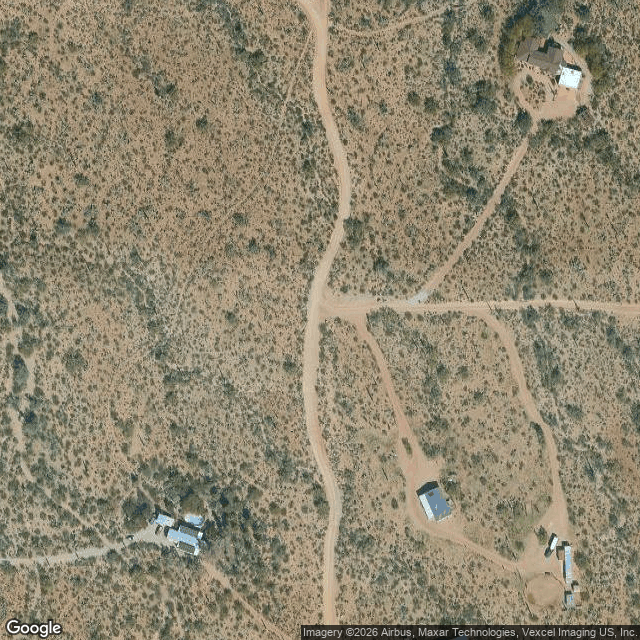
7100 N Desert View Drive, Tucson, AZ 85743
China Cabinet Ranch is a 5-acre desert property in Tucson, Arizona, offering overnight stabling with a round pen, trail access, and trailer parking. Reviewer...
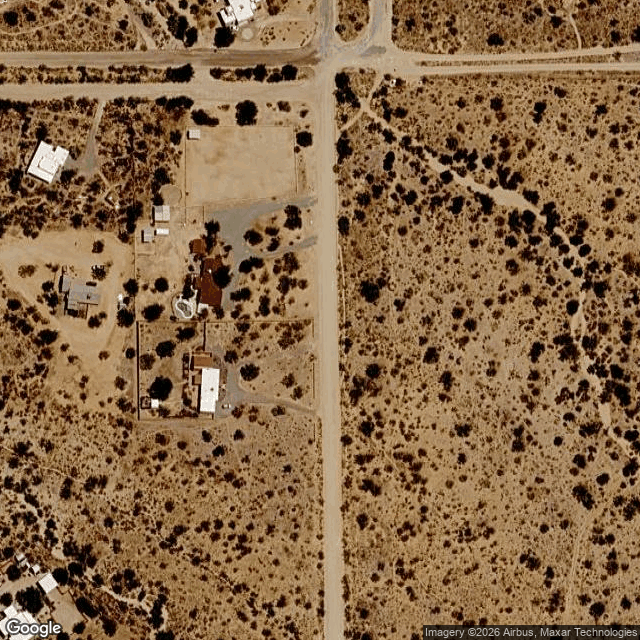
14550 South Stagecoach Road, Tucson, AZ 85736
Lazy H Bar Desert Outpost Vacation Rental is a 3-bedroom desert retreat in Three Points offering a trailer-friendly property with pool and hot tub amenities....
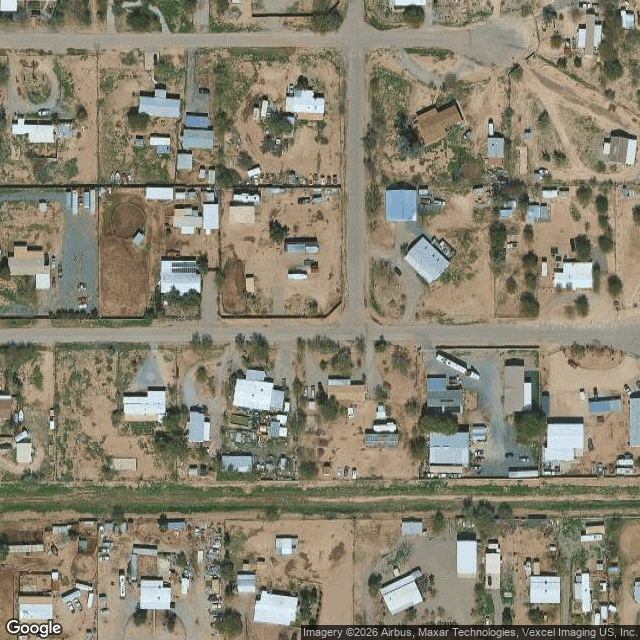
5348 W Calle Maverick, Tucson, AZ 85741
Moody Ranch in Tucson, Arizona provides horse boarding in the Sonoran Desert setting south of the Catalina Mountains. Reviewers describe positive experiences...
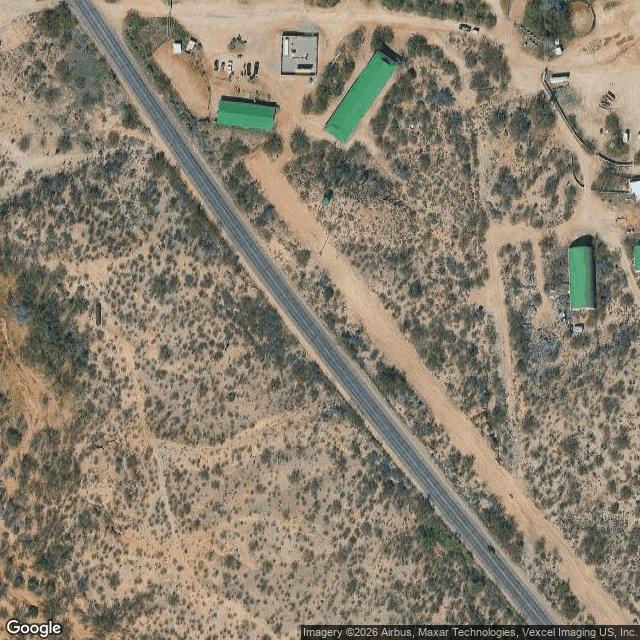
13401 E Old Spanish Trail, Tucson, AZ 85747
Rocking K Ranch Arena & Horse Boarding is a ranch facility offering horse boarding along with trail rides, team roping practice and jackpots, horse-drawn wag...
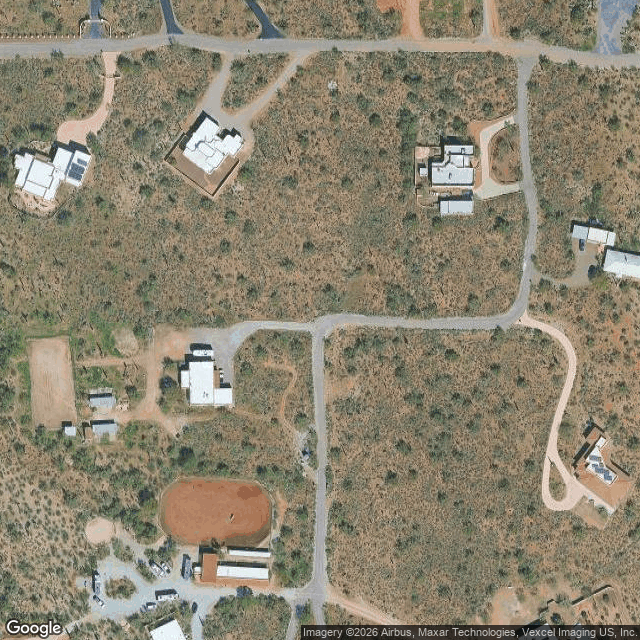
6265 North Happy Trail, Tucson, AZ 85743
Rocking M Ranch is a small, non-commercial facility operated by Pam and Louis Mindes since 1995, located on approximately 10 acres adjacent to Saguaro Nation...
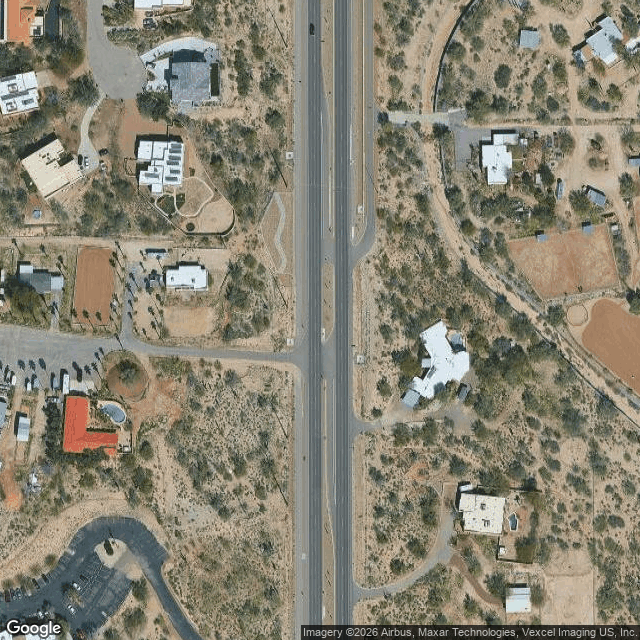
9811 N La Cholla Blvd, Tucson, AZ 85742
Sunkist Stables is a horse boarding facility in Tucson, Arizona owned by David and Jeanne Lindsey. Located in a peaceful country setting with access to miles...
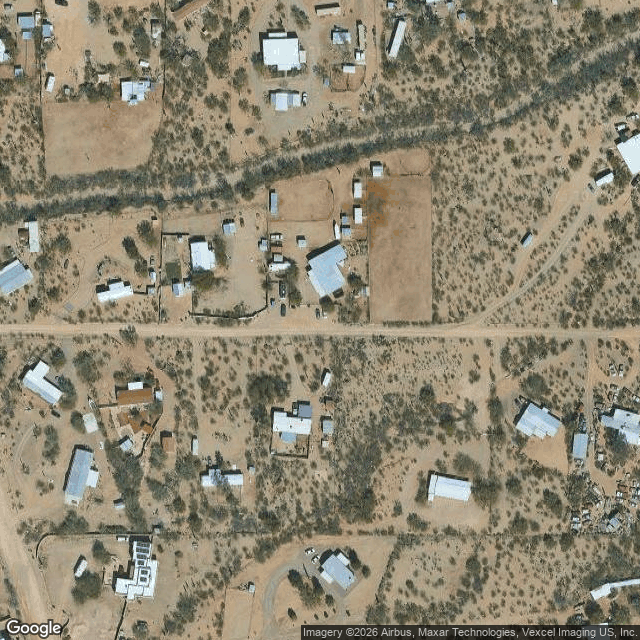
9500 W Sky Blue Drive, Tucson, AZ 85735
Wandering Rose Farm and Stables is located on the west side of the Tucson Mountains with direct trail access to Tucson Mountain Park and Saguaro National Par...
Pay attention to how the barn handles summer heat — shade structures, water availability, and stall ventilation matter more here than most other factors. Ask when turnout happens; early morning is much better for horses than midday in July and August. Check that waterers are working and that trough water is actually being consumed. During monsoon season (July–September), some facilities get flash flooding or mud in paddocks — worth asking specifically how they manage it.
Ask whether pricing or availability changes between summer and winter, since snowbird demand can affect both. Confirm whether RV hookups are available if you're hauling in. Ask about their protocol on extreme heat days — some barns adjust turnout times, feeding schedules, or provide electrolytes. For longer-term board, find out who the primary caretaker is and who covers when they're away.
Tucson's position on I-10 makes it a common stop for cross-country haulers. Facilities offering overnight stabling usually have trailer parking and RV hookups on-site. Call ahead — overnight availability fills quickly in winter months and around major Arizona events. Confirm stall size if you're hauling large horses, and ask whether the facility requires health certificates for short-term guests (many do).
For winter (October–March), start looking 60–90 days out — especially if you're a seasonal resident or relocating from out of state. Full-care stalls at good facilities move fast when out-of-state horses start arriving in the fall. Summer has softer demand and more flexibility. Overnight spots can usually be arranged with a week's notice, though peak hauling season and major shows warrant earlier contact.
It's worth asking individual facilities directly — some barns work with outside trainers who come in regularly, or can refer you to someone local. The cutting and reining community around Tucson is active, and a well-connected barn owner can often point you in the right direction. If a specific discipline matters, ask whether trainers of that type are allowed on property with outside horses.