 Verified
Anna's Farm
11197 Vermillion Rd, Longmont, CO 80504
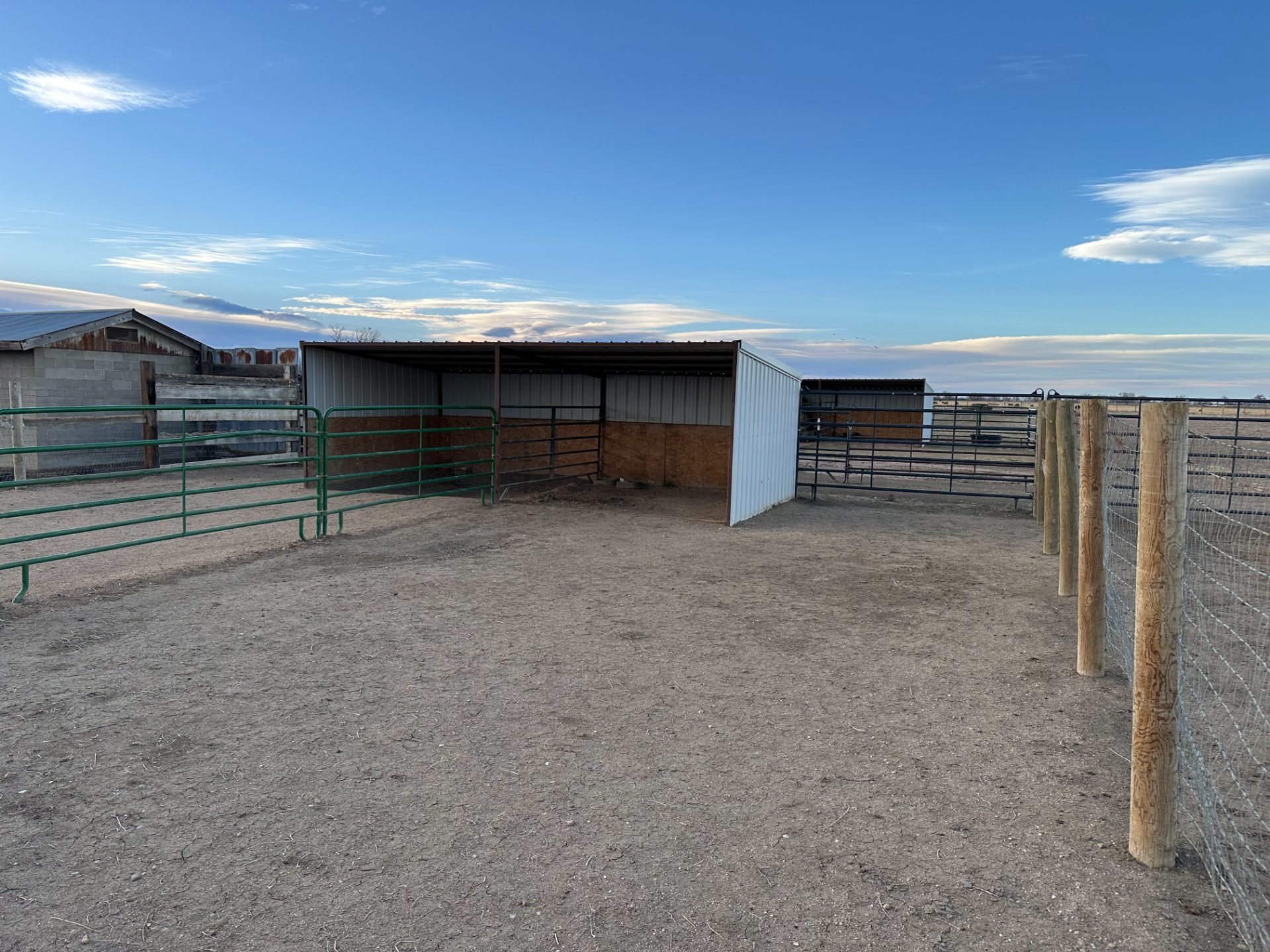
Anna's Farm offers full-care horse boarding on a peaceful, private 26-acre farm just one mile north of Longmont, Colorado. The owner lives onsite and is hand...
Longmont is at the base of the Front Range, about 30 miles north of Denver and 20 miles east of Boulder. It's a genuine hub for equestrians along the northern Front Range — close enough to the metro area that horse owners who work in Denver or Boulder can board here without a long daily drive, and close enough to the Rockies that weekend trail riding in the mountains is realistic. The elevation (around 4,900 feet) means summers are comfortable for horses and winters require solid, wind-resistant facilities.
The boarding market in and around Longmont is one of the more diverse in the region. Full care and overnight stabling are available, and pricing spans a wide range depending on the level of service and amenities. Multiple facilities offer lessons, training, show teams, and sale programs across disciplines including hunter/jumper, dressage, cutting, reining, ranch riding, and natural horsemanship. This market has everything from small private barns to well-equipped training operations. The facility profiles below are intended to help you get a sense of the boarding market in the Longmont area — each one is a summary, so click through to the full detail page for photos, pricing, and to reach out directly.
Longmont is at the base of the Front Range, about 30 miles north of Denver and 20 miles east of Boulder. It's a genuine hub for equestrians along the northern Front Range — close enough to the metro area that horse owners who work in Denver or Boulder can board here without a long daily drive, and close enough to the Rockies that weekend trail riding in the mountains is realistic. The elevation (around 4,900 feet) means summers are comfortable for horses and winters require solid, wind-resistant facilities.
The boarding market in and around Longmont is one of the more diverse in the region. Full care and overnight stabling are available, and pricing spans a wide range depending on the level of service and amenities. Multiple facilities offer lessons, training, show teams, and sale programs across disciplines including hunter/jumper, dressage, cutting, reining, ranch riding, and natural horsemanship. This market has everything from small private barns to well-equipped training operations. The facility profiles below are intended to help you get a sense of the boarding market in the Longmont area — each one is a summary, so click through to the full detail page for photos, pricing, and to reach out directly.
Verified11197 Vermillion Rd, Longmont, CO 80504
Anna's Farm offers full-care horse boarding on a peaceful, private 26-acre farm just one mile north of Longmont, Colorado. The owner lives onsite and is hand...
1000 E 160th Ave., Broomfield, CO 80023
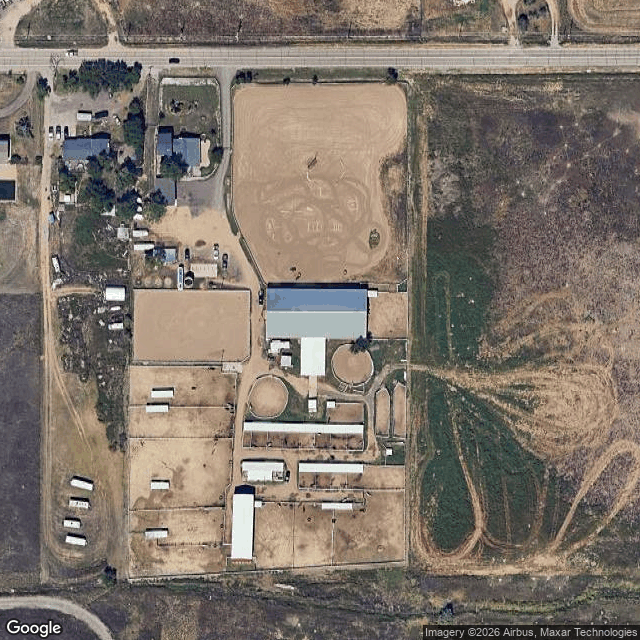
Andersen Farms offers boarding services with caring, attentive staff in a well-maintained farm setting. Reviewers describe a supportive environment for both ...
1345 County Road 13, Brighton, CO 80603
dZwOKIT8bbAvYjfY730aglASmCDZiBgcpw7iAuInxxM44RRlnJuxPZ2qNQLRE81WGo15T
6069 Prospect Rd, Longmont, CO 80503
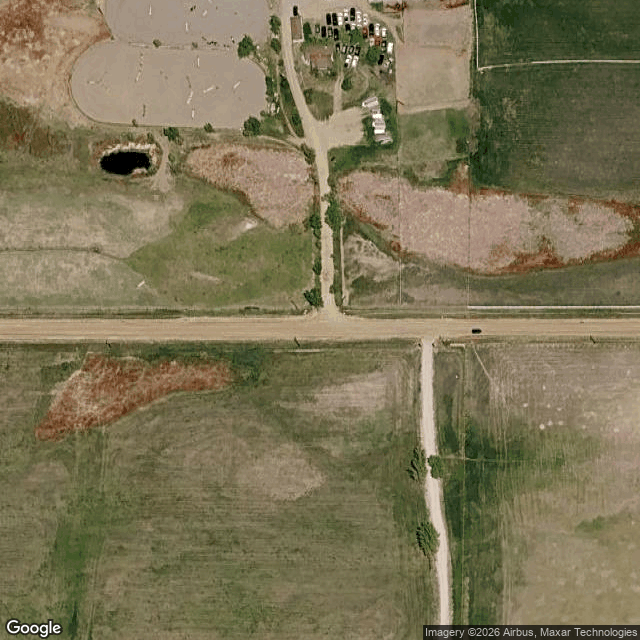
Blue Cloud Farms is a hunter/jumper and dressage facility located in Longmont, Colorado, that has served the Colorado horse community since 1970. The operati...
15345 N 95th St, Longmont, CO 80504
Cappaleigh Farm is a full service horse boarding facility located in Longmont, Colorado.
9556 Del Camino Lane, Firestone, CO 80504
Cascade Farms is a hunter/jumper show barn in northern Colorado, developing riders from their first schooling show through the A-rated circuit. The program e...
614 W County Road 16, Loveland, CO 80537
Diamond E Farms is a private small farm offering horse boarding, lessons, training, day camps, and sales.
108 50th Street Southwest, Loveland, CO 80537
Full care horse boarding facility located in Loveland CO.
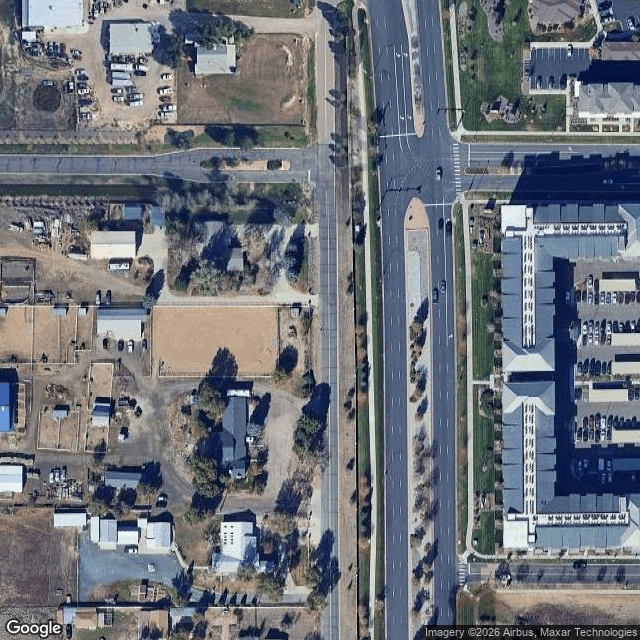
14741 Huron st, Broomfield, CO 80023
Merry Go Round Stables is a full-service boarding facility established in 1998 and located in Broomfield, Colorado, centrally situated to serve the greater D...
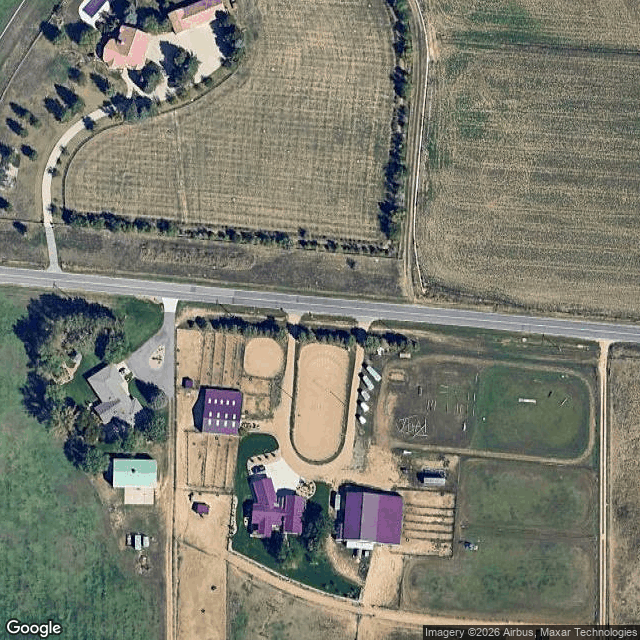
12476 Niwot Rd, Longmont, CO 80504
Orvilla West Farm is a small, family-run boarding facility located on 20 acres in east Boulder County near Longmont, Colorado. The property features panorami...
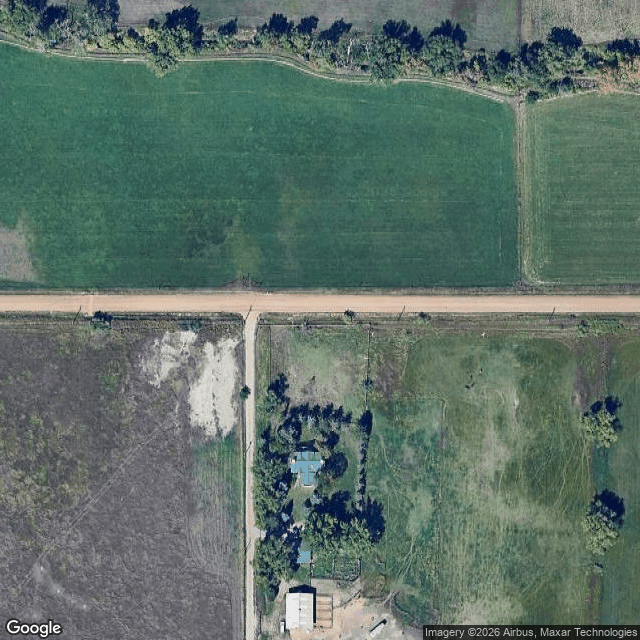
4508 Oxford Road, Longmont, CO 80503
Oxford Road Ranch Horse Boarding is a horse boarding facility offering hay sales and boarding services.
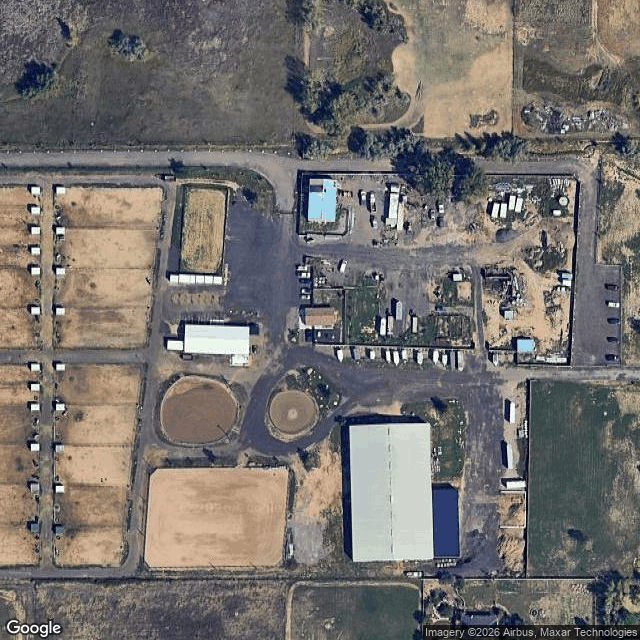
4738 County Road 5, Erie, CO 80516
Plane View Farm is a premier boarding facility located just north of Denver, Colorado. The operation offers full-care boarding in a clean, professional envir...
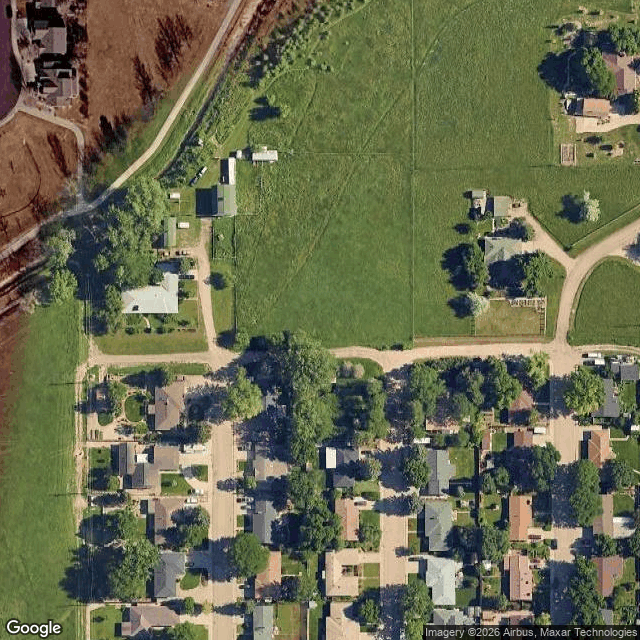
3401 EAST COunty Road 16, Loveland, CO 80537
Riding2horses Farm has relocated to expanded facilities in Loveland with improved amenities. The facility is conveniently located just 15 minutes from The Ra...
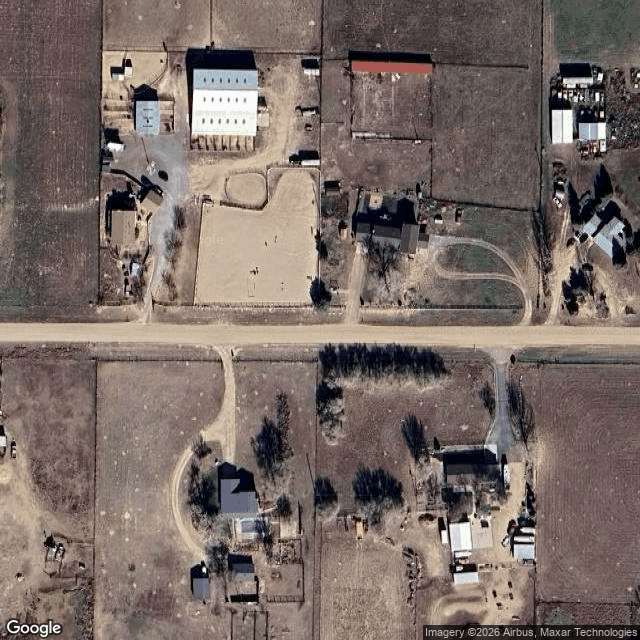
7257 Maple St, Firestone, CO 80504
Small horse boarding facility with trainer available for riding lessons and horse training.
Front Range weather is genuinely unpredictable — warm and sunny in January, blizzard in April, hailstorm in July. Covered arenas matter here for consistent riding. Check that stalls and shelters are solidly built for wind; the foothills can get strong gusts that stress poorly built structures. Ask about their severe weather protocol and whether they have backup power. Some foothills properties also carry wildfire risk in dry years — ask whether the facility has an evacuation plan for horses. If mountain trail access is a priority, ask specifically about trailhead proximity and terrain.
The range of facilities here is wide — small private operations to large training programs with show teams. Ask who handles daily care and what the check-in schedule looks like throughout the day. If you're considering a facility with a show team, ask about the commitment level expected of boarders — some programs have show schedules that boarders are expected to participate in. Confirm whether outside trainers are allowed on property if you have an existing trainer relationship. Ask about arena access hours and whether scheduling is required.
Longmont is close to I-25, which runs the length of the Front Range and connects to I-70 east-west. It's a reasonable stop for haulers coming between Denver and Fort Collins or Wyoming. Overnight availability is generally better in winter than in show season (spring through fall). Some barns that accommodate short-term stays are primarily long-term operations with limited overnight stalls — call ahead. Confirm trailer parking dimensions if you're pulling a longer rig.
This is an active market with real demand, especially for full care at well-regarded facilities or spots in training programs. Some training operations maintain waitlists. Starting 60–90 days out is reasonable if you have specific needs — a particular discipline, an existing trainer you want to keep, or trail access requirements. For more flexible boarders, 30–45 days is often workable. Summer is peak season; fall and winter typically have more openings.
The range of training options here is genuinely broad. Hunter/jumper and dressage programs are well-established, and Western disciplines — cutting, reining, ranch riding, and natural horsemanship — are also active in this market. Some facilities offer sale programs, which can be relevant if you're developing a horse for resale. The Front Range has an active show schedule from spring through fall, so ask about a trainer's connections to regional circuits if showing is part of your plan. Also ask how training fees are structured — some programs bundle board and training in a single rate, others bill separately.