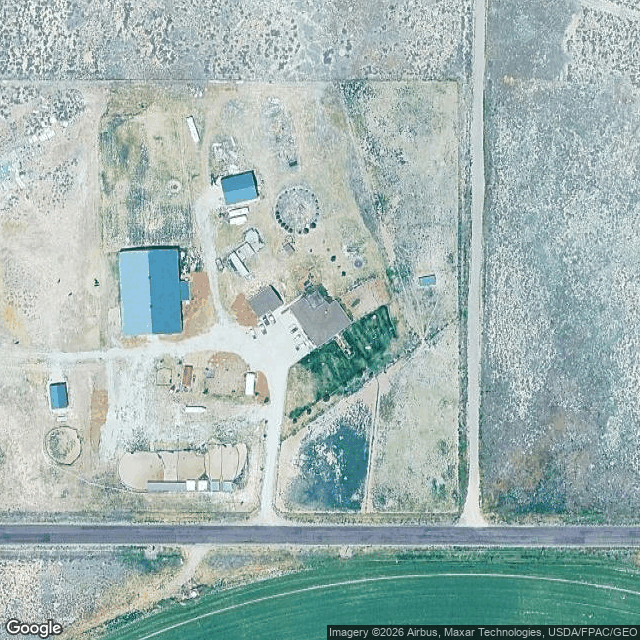
Iron Horse Enterprises
6730 West 4000 South, Cedar City, UT 84720
Iron Horse Enterprises is a private, secluded facility located minutes from the freeway just south of Cedar City, offering a peaceful retreat for traveling e...
Cedar City sits in Iron County in southwestern Utah at 5,800 feet elevation, strategically positioned as a gateway to some of the most spectacular landscape in the American West. Zion National Park is 60 miles to the south, Bryce Canyon is 80 miles to the northeast, and Cedar Breaks National Monument is immediately adjacent to the east. This concentration of public lands — combined with the Dixie National Forest — makes Cedar City an excellent staging point for horse travelers accessing southern Utah's trail network while also functioning as a regional service center for the surrounding rural community.
Facilities in the Cedar City area are equipped with comprehensive overnight boarding infrastructure: covered indoor and outdoor arenas, round pen, trail access on property, and trailer parking. This setup reflects an operation that serves both the local horse community and the significant volume of horse travelers passing through on their way to Zion, Bryce, or the backcountry beyond. The elevation means cooler summers than Las Vegas or St. George to the south — a genuine advantage for horses in work during July and August. When evaluating facilities, ask about access to specific trailheads in the Dixie National Forest and whether the operation has relationships with outfitters or guides for multi-day trips.
Check out the boarding options available in Cedar City below to find your home base for exploring the region's trails and natural wonders.
Cedar City sits in Iron County in southwestern Utah at 5,800 feet elevation, strategically positioned as a gateway to some of the most spectacular landscape in the American West. Zion National Park is 60 miles to the south, Bryce Canyon is 80 miles to the northeast, and Cedar Breaks National Monument is immediately adjacent to the east. This concentration of public lands — combined with the Dixie National Forest — makes Cedar City an excellent staging point for horse travelers accessing southern Utah's trail network while also functioning as a regional service center for the surrounding rural community.
Facilities in the Cedar City area are equipped with comprehensive overnight boarding infrastructure: covered indoor and outdoor arenas, round pen, trail access on property, and trailer parking. This setup reflects an operation that serves both the local horse community and the significant volume of horse travelers passing through on their way to Zion, Bryce, or the backcountry beyond. The elevation means cooler summers than Las Vegas or St. George to the south — a genuine advantage for horses in work during July and August. When evaluating facilities, ask about access to specific trailheads in the Dixie National Forest and whether the operation has relationships with outfitters or guides for multi-day trips.
Check out the boarding options available in Cedar City below to find your home base for exploring the region's trails and natural wonders.
6730 West 4000 South, Cedar City, UT 84720
Iron Horse Enterprises is a private, secluded facility located minutes from the freeway just south of Cedar City, offering a peaceful retreat for traveling e...
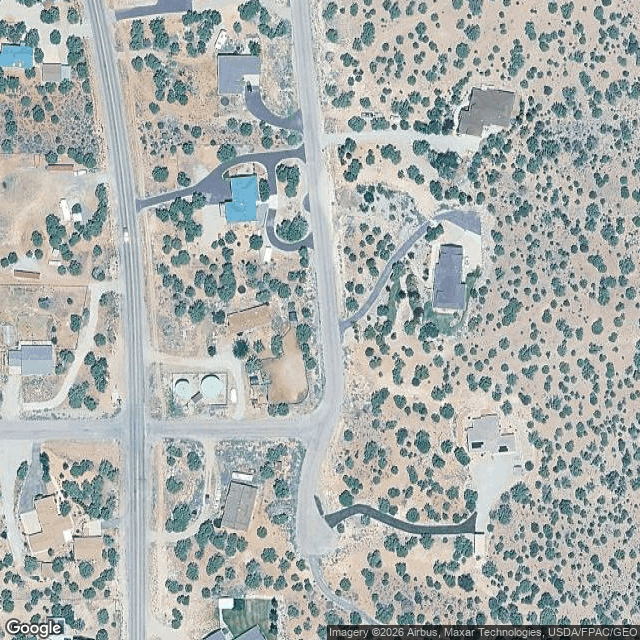
1478 S Cedar Bluffs Drive, Cedar City, UT 84720
Southern Utah Horse Properties is a boarding facility located in Southern Utah that offers scenic views and a distinctive atmosphere for horse owners.
Cedar City is an excellent staging point for riders heading to Zion, Bryce Canyon, or the Dixie National Forest. The covered arena and trailer parking accommodate arriving horses before or after trips. Research specific equestrian access for each area — Zion has limited horse access in popular corridors, while Bryce and the national forest offer more extensive options.
At 5,800 feet, Cedar City is meaningfully cooler in summer than lower-elevation Utah communities — temperatures in the 80s rather than the triple digits common at St. George or Las Vegas. For horses in work, this makes summer riding far more manageable. The elevation does mean colder winters than lower desert communities, so ask facilities about winter management protocols.
The Dixie National Forest surrounding Cedar City provides extensive equestrian trail access through varied terrain — ponderosa pine forests, red rock canyons, and high-elevation plateaus. Cedar Breaks National Monument borders the city to the east. Ask facilities about their familiarity with specific trailheads and route conditions through different seasons, as some areas have significant elevation change.